When designing an adventure travel blog, choosing the right font pairings for hiking websites can make a significant difference in how your content is perceived. The right fonts can enhance the adventurous and rugged feel of your site, making it more engaging for your audience.
Understanding Adventure-Themed Fonts
Adventure-themed fonts are designed to evoke a sense of exploration and ruggedness. They often feature bold, hand-drawn, or rustic styles that complement the outdoor and nature-focused content of hiking and travel blogs. These fonts can help set the tone for your website, making it more appealing to readers who love the outdoors.
These fonts are particularly useful for blogs that focus on hiking, trekking, and other outdoor activities. They help create a visual connection between the content and the reader's love for adventure, making the reading experience more immersive.
Selecting the Right Font Pairings
Choosing the right font pairings involves considering the overall aesthetic of your blog and the specific message you want to convey. For example, if your blog is about solo backpacking, you might prefer bold and rugged fonts that reflect the independence and strength of the journey. If your blog focuses on desert safaris, you might opt for rustic and adventurous fonts that capture the wild and untamed nature of the desert.
For mountain expedition blogs, a combination of bold serif and sans-serif fonts can work well. Serif fonts can add a classic, trustworthy feel, while sans-serif fonts provide a modern and clean look. This balance can make your content both visually appealing and easy to read.
Tips for Effective Font Pairings
Start by selecting a primary font that will be used for headings and titles. This font should be bold and eye-catching, setting the tone for your blog. For body text, choose a secondary font that is more readable and less decorative. This ensures that your content is easy to read, even for longer articles.
Avoid using too many different fonts, as this can make your site look cluttered and unprofessional. Stick to two or three complementary fonts that work well together. Also, consider the spacing and line height to ensure that your text is not too cramped, which can make it difficult to read.
Common Mistakes and How to Fix Them
One common mistake is using overly decorative fonts for body text. While these fonts may look great in small doses, they can be hard to read in large paragraphs. To fix this, switch to a simpler, more legible font for the main content.
Another mistake is not testing your font choices on different devices and screen sizes. What looks good on a desktop might not be as readable on a mobile device. Always test your fonts across various platforms to ensure they look good everywhere.
Final Checklist for Perfect Font Pairings
- Choose a bold, eye-catching primary font for headings.
- Select a simple, readable secondary font for body text.
- Limit the number of fonts to two or three to avoid clutter.
- Test your font choices on different devices and screen sizes.
- Adjust spacing and line height for better readability.
By following these guidelines, you can create a visually appealing and engaging adventure travel blog that resonates with your audience. The right font pairings will not only enhance the aesthetic of your site but also make your content more enjoyable to read.
Try It Free Rustic Font Pairings for Desert Safari Sites
 Bold Font Pairings for Extreme Sports Travel Blogs
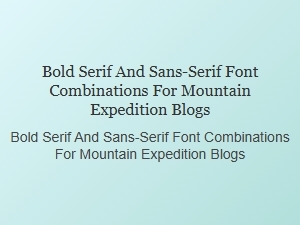 Bold Serif and Sans-Serif Fonts for Mountain Blogs
 Font Pairing Guide for Solo Backpacking Bloggers
 Font Pairing Guidelines for Luxury Travel Brands
 Elegant Font Pairings for Luxury Travel Typography